Halftime Zone: Capture Stadium Energy in Your Next Design
There is a specific feeling associated with the final moments of a game. It is that electric hum in a stadium where the scoreboard is ticking down, the crowd is on their feet, and every second feels heavy with potential. As designers, capturing that raw, competitive energy in a static graphic can be a challenge. We often find ourselves scrolling through endless libraries of clean, corporate sans-serifs or delicate scripts, searching for something that has a bit more grit. If you are working on a project that needs to scream athleticism, strength, and high-octane action, you need a typeface that was built for that environment. Enter Halftime Zone, a bold athletic display font that draws its DNA directly from stadium scoreboards, vintage sports jerseys, and the undeniable intensity of the game.
More Than Just Block Letters
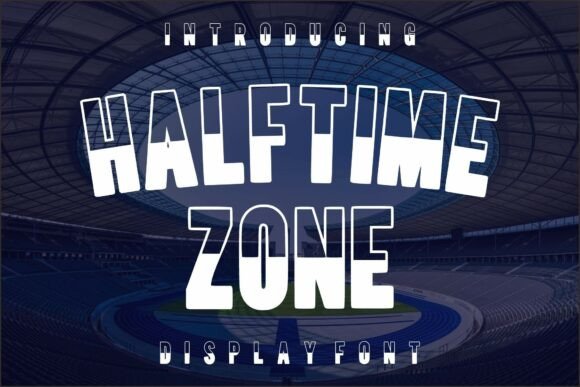
At first glance, you might categorize this simply as a block font, but looking closer reveals a sophisticated design choice. Halftime Zone utilizes a dynamic outline style that mimics the segmented digital readouts of arena scoreboards or the layered tackle twill found on professional jerseys. This isn't just about being loud; it is about structural integrity. The letterforms are heavy and grounded, offering a confident presence that anchors a design immediately.
The visual appeal lies in its ability to be aggressive yet legible. Unlike some distressed grunge fonts that can become unreadable at smaller sizes, the block structure of Halftime Zone ensures that the text remains solid. It bridges the gap between modern typography and retro nostalgia. It feels familiar—like a font you have seen on a varsity jacket or a trading card—but it is rendered with a clean, digital precision that makes it suitable for contemporary web design and high-resolution printing.
Practical Applications for Competitive Branding
When you are building a brand identity for something energetic, the typography sets the tone before the customer reads a single word. Because Halftime Zone is a premium font designed for impact, it shines brightest in specific contexts. If you are a small business owner launching a gym, a sports league, or a fitness apparel line, this typeface instantly communicates that your brand is about performance.
Consider the following real-world applications where this font excels:
- Logo Design: The strong block structure makes for memorable wordmarks. It is particularly effective for esports graphics and team logos where you need to convey power.
- Merchandise: When printed on t-shirts, hoodies, and caps, the bold outlines hold up well against the fabric texture, maintaining that "jersey" aesthetic.
- Event Posters: Whether it’s a local 5k run, a wrestling match, or a charity sports tournament, the font grabs attention from a distance.
- Social Media Graphics: In a fast-scrolling feed, standard sans serif fonts often blend in. Using Halftime Zone for headers or sale announcements can stop the scroll and increase engagement.
Pairing Halftime Zone with Other Typefaces
One of the most common mistakes in graphic design is using a display font for everything. Because Halftime Zone is so distinct and heavy, it is best used for headlines, sub-headers, and call-outs. If you try to write a full paragraph with it, the design will feel cluttered and overwhelming. This is where the art of font pairing comes into play.
To create a balanced composition, you need to contrast the energy of the display font with something more subdued. A clean, geometric sans serif font works exceptionally well for body text, allowing the headlines to pop without competing for attention. Alternatively, if you want a more sophisticated or editorial look, pairing it with a classic serif font can create an interesting tension between modern athleticism and traditional elegance. Avoid pairing it with other decorative styles like script fonts or handwritten fonts, as the visual conflict can be jarring and dilute the message.
Improving Visual Consistency Across Platforms
For content creators and marketers, consistency is the holy grail of brand recognition. When a user sees your Instagram story, visits your website, and then opens your newsletter, the visual language needs to be cohesive. Incorporating a distinctive display font like Halftime Zone into your design assets toolkit helps bridge these platforms.
Imagine a digital product launch, such as a new workout plan or a gaming guide. Using Halftime Zone for the cover art, the email subject line headers, and the promotional social media graphics creates a unified campaign. It signals to your audience that this is a singular, high-energy event. This level of professional presentation builds trust; it shows that you have paid attention to the details of your visual communication, which subconsciously suggests you pay the same attention to the quality of your product or service.
Technical Considerations and Readability
While the aesthetic is crucial, practical application matters just as much. When working with a font like this, you must always test for readability. Because it has a blocky, outlined structure, you need to ensure there is sufficient contrast between the text and the background. Placing this font over a busy photograph might require a background overlay or a drop shadow to ensure the letters remain distinct.
Furthermore, pay attention to kerning and tracking. Athletic fonts often have tight kerning by default to create that solid "wall of text" look found on jerseys. However, for web design or packaging design, you might need to increase the tracking (letter spacing) slightly to improve legibility, especially at smaller sizes. Always test your typography on multiple devices—what looks bold and powerful on a desktop monitor might look cramped on a mobile screen.
Licensing and Commercial Use
For entrepreneurs and designers working on commercial projects, understanding the licensing of a commercial font is non-negotiable. Before you finalize a client project or launch a product line using Halftime Zone, ensure you have the correct license for your specific needs. Most premium fonts come with a standard license that covers a specific number of users or projects, but if you are creating merchandise for sale (like t-shirts or mugs) or installing the font on a web server for a high-traffic site, you may need an extended license.
Always read the End User License Agreement (EULA). This protects you legally and ensures that the type designers are compensated for their work, allowing them to continue creating high-quality creative fonts for the community.
Final Thoughts on Energetic Design
Typography is the voice of your design. While a serif font might whisper tradition and a script font might sing elegance, Halftime Zone shouts competition and victory. It is a specialized tool in your arsenal, designed to inject adrenaline into your brand identity. Whether you are designing a logo for a local sports team, creating graphics for a gaming tournament, or simply want to add a bold statement to a poster, this font provides the structural confidence needed to get the job done. Use it wisely, pair it smartly, and let it bring the roar of the stadium to your canvas.