Vice Versa: The Sleek Display Font for Modern Creators
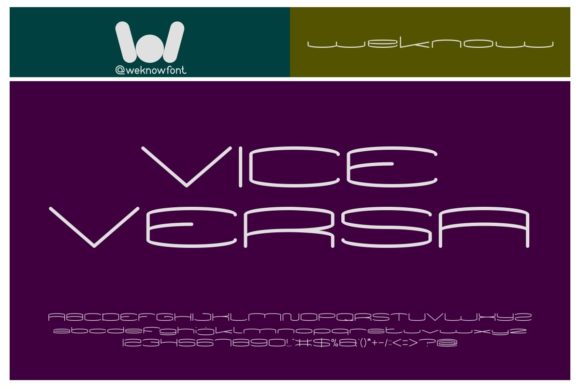
There's a particular kind of energy that comes from a font that feels both futuristic and approachable. You see it in the logos of cutting-edge tech startups, on the covers of indie magazines, and in the branding of artists who want to stand out without screaming. Vice Versa is that kind of typeface. It's a modern display font with slim, clean lines and a subtly geometric structure that feels like it's from the near future—not a cold, distant one, but one where design is smart, sleek, and human-centered. If you're working on a project that needs to communicate innovation, clarity, and contemporary style, this font is worth a serious look.
A Typeface Built for Clarity and Impact
At its core, Vice Versa is designed to grab attention without overwhelming the viewer. Its characters are crafted with a focus on legibility at larger sizes, which is exactly what you need from a display font. The letterforms have a consistent weight and rhythm, creating a harmonious flow across headlines, logos, and short bursts of text. Unlike some overly stylized fonts that sacrifice readability for flair, Vice Versa maintains a clean aesthetic that ensures your message gets through. This balance is crucial for applications like brand identity and packaging design, where a logo or product name must be instantly recognizable and easy to process.
Think about the last time you saw a fantastic brand mark. It probably wasn't overly complex. It was memorable because of its shape and the confidence of its typography. Vice Versa provides that confidence. Its futuristic characters work beautifully for logos in the tech, lifestyle, fashion, and creative industries. For a small business owner developing a brand from scratch, choosing a font like this can set the entire visual tone. It suggests modernity, forward-thinking, and attention to detail—qualities every brand wants to project.
From Screen to Print: Practical Applications
The true test of any premium font is how well it adapts to different mediums. Vice Versa shines across a surprisingly wide range of projects. For social media graphics, it's a powerhouse. Imagine using it for Instagram post titles, YouTube thumbnails, or podcast cover art. Its slim profile means it won't crowd your visual space, and its distinct personality helps your content stand out in a crowded feed. When paired with a simple sans serif or even a gentle script for body text, it creates a professional and cohesive look for your digital presence.
Moving offline, the font's utility continues. It's an excellent choice for editorial design, particularly for magazine headlines, book titles, or chapter openers that need a contemporary edge. For marketing assets like posters, flyers, and event invitations, Vice Versa delivers a strong visual punch. Its clean lines reproduce well in both digital printing and traditional methods, ensuring your materials look sharp. If you're in the apparel industry, consider it for custom t-shirt designs, merchandise, or brand labeling. It has that modern, streetwear-ready vibe that resonates with today's consumers.
Building a Cohesive Visual Language
One of the most overlooked aspects of modern typography is consistency. Using the same typeface family across all touchpoints—from your website to your business cards to your email newsletters—builds a subconscious trust with your audience. It tells them that you're organized and intentional. Vice Versa can serve as the cornerstone of that visual language. Its strength as a display font for headlines and logos means it anchors your key messaging, while its neutral enough character allows it to play well with others.
A practical tip: always test your font pairing. Vice Versa's futuristic feel pairs exceptionally well with neutral sans serif fonts like Poppins, Inter, or even a classic like Helvetica for body copy. For a more dynamic contrast, try it with a clean, low-contrast serif font. The goal is to let Vice Versa do the heavy lifting for impact areas while the secondary font ensures longer text remains comfortable to read. This two-font system is a staple in web design and editorial layout for good reason—it's efficient, elegant, and effective.
Making Smart Choices for Your Project
Before you dive in, consider the specific needs of your project. Vice Versa is a creative font, so it's not meant for setting long paragraphs of body text. Its home is in the spotlight: titles, headers, logos, and short, impactful phrases. Review the full character set it offers. Many quality display fonts include alternate characters, ligatures, or stylistic sets that can add unique flair to your designs. Understanding what's in the package helps you use it to its full potential.
Another critical piece is licensing. If you're using Vice Versa for a client project, a commercial product, or anything that generates revenue, ensure you have the correct commercial font license. Most foundries offer different tiers for personal, commercial, or extended use. Taking the time to get this right protects you legally and supports the designers who create the design assets we rely on. It's a small but essential part of the professional creative process.
Ultimately, choosing a typeface is about finding the right voice for your message. Vice Versa speaks in a tone that's clear, contemporary, and full of potential. It doesn't try to be everything, but for the projects it's suited for, it delivers a level of polish and personality that can genuinely elevate your work. Whether you're crafting a new brand identity, designing a digital product, or creating a standout poster, it provides a strong foundation to build upon. Give it a test run on your next project and see how its sleek, modern character can help bring your vision to life.