Phytoplankton: A Font That Brings Bold, Geometric Energy to Your Designs
There’s a certain kind of visual confidence that comes from clean, geometric shapes. Think of the satisfying symmetry of a well-designed logo, the crisp lines of a modern poster, or the impactful header on a website that immediately commands attention. This is the space where Phytoplankton lives. It’s not just another typeface; it’s a design tool built for projects that need to make a strong, contemporary statement without saying a word. For creators looking to inject a dose of modern clarity into their work, this display font offers a distinctive geometric character that’s both versatile and visually striking.
The Visual Personality of a Geometric Display Font
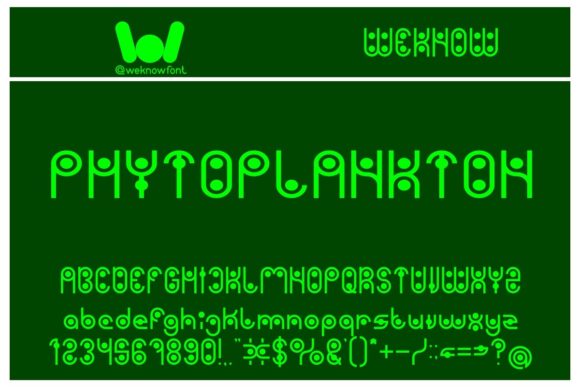
At its core, Phytoplankton is defined by its clean, constructed forms. Each letter feels intentionally built from fundamental shapes—circles, straight lines, and precise angles. This gives it an inherent sense of order and stability, making it ideal for conveying professionalism and forward-thinking design. Unlike a classic serif font that carries historical weight or a script font that evokes personal flair, Phytoplankton’s personality is decidedly modern, technical, and bold. It’s the typographic equivalent of a minimalist building or a sleek piece of tech hardware—functional, aesthetic, and built to impress.
This doesn’t mean it’s cold or impersonal. The geometric approach creates a unique rhythm that can feel energetic and dynamic, especially in larger sizes. The uniformity of the letterforms ensures that headlines and titles have a powerful, cohesive presence. When you choose a font like this, you’re making a deliberate choice about the mood you want to set. It communicates innovation, clarity, and a no-nonsense approach, which can be a powerful asset for a wide range of creative projects.
Where Phytoplankton Truly Shines: Practical Applications
Understanding a font’s visual style is one thing; knowing where to deploy it is where the real value lies. Phytoplankton’s strength as a display typeface means it’s engineered for impact, not for long paragraphs of body text. Its ideal applications are contexts where it can dominate the visual hierarchy and set the tone instantly.
- Brand Identity & Logo Design: For startups, tech companies, fitness brands, or any business aiming for a cutting-edge image, Phytoplankton can form the backbone of a powerful logo. Its geometric nature ensures the mark is scalable and looks crisp from a business card to a billboard.
- Packaging & Merchandise: Imagine this font on a box of premium electronics, a minimalist skincare line, or a bold clothing label. It elevates packaging from merely functional to a key part of the unboxing experience, reinforcing product quality and brand ethos.
- Digital & Social Media Graphics: On platforms like Instagram, YouTube, or TikTok, you have milliseconds to capture attention. Using Phytoplankton for video titles, thumbnail text, or promotional graphics creates an immediate visual hook that stands out in a crowded feed. It’s perfect for creating a consistent, recognizable style for your content.
- Editorial & Poster Design: The font’s commanding presence makes it a natural fit for magazine covers, event posters, or book titles. It can frame a topic with a sense of importance and modern relevance, drawing the reader’s eye directly to the key message.
- Websites & Blogs: While not for body copy, it excels as a heading font on websites. It can structure your content, guide the user’s journey, and inject personality into your site’s design, particularly for portfolios, agency sites, or product landing pages.
Making Phytoplankton Work for Your Project: A Designer’s Perspective
Simply having a great font isn’t enough; successful typography is about thoughtful application. Here’s how to integrate a geometric display font like Phytoplankton effectively into your workflow.
Pairing for Balance and Readability: The biggest rule with a strong display font is to pair it with a simpler, more neutral typeface for body text. A classic sans-serif like Open Sans, Lato, or Roboto provides a clean, readable counterpoint that won’t compete for attention. For a touch of sophistication, you could even pair it with a humanist serif. The contrast allows Phytoplankton to own the headlines while your supporting text remains effortlessly legible.
Testing Before Committing: Always test a font in context. Mock up a quick social media post, a website header, or a product label using your chosen color palette and imagery. Does the font’s weight and spacing work with your layout? Does it maintain its impact when scaled down? This step is crucial for avoiding last-minute redesigns and ensuring your typography truly serves the project’s goals.
Exploring the Included Styles: A quality premium font often comes with multiple weights or styles. Check what’s included with Phytoplankton. Having access to a Light, Regular, Bold, or even an Italic variant can provide tremendous flexibility. You might use a bolder weight for a main title and a lighter weight for a subtitle, creating visual depth within your hierarchy without introducing another typeface.
Commercial Licensing: A Key Consideration: For any project that isn’t purely personal, licensing is non-negotiable. Ensure the license you acquire for Phytoplankton covers your intended use, whether it’s for a client’s brand identity, merchandise for sale, or digital products. Reputable foundries and marketplaces are transparent about their licensing terms, which typically cover a broad range of commercial applications. This is a fundamental part of using design assets professionally and ethically.
Beyond the Font: Building a Cohesive Visual Language
Phytoplankton is a powerful starting point, but the most effective designs consider typography as part of a larger system. Your chosen typeface should align with your color scheme, imagery style, and overall brand voice. If your brand is all about innovation and precision, this geometric font is a natural fit. If your brand leans more rustic or handcrafted, it might create a jarring disconnect.
Think about the message you want to send before you even open your design software. Are you aiming for authority? Playfulness? Luxury? Innovation? The right typeface choice—paired with complementary design elements—builds that narrative consistently across every touchpoint. This consistency is what builds brand recognition and trust with your audience over time. It’s not just about looking good once; it’s about creating a reliable and professional visual presentation that people come to recognize and associate with your work.
Ultimately, a font like Phytoplankton is a tool for clarity and impact in a visually noisy world. It provides the geometric foundation to build bold, modern designs that communicate with confidence. By applying it thoughtfully to the right projects and pairing it with complementary elements, you can harness its clean energy to create work that is not only seen but remembered. It’s about giving your ideas the visual platform they deserve to stand out and connect.