Warehouse Project: A Geometric Typeface for Modern Branding
There's a moment in every design project where the typography either clicks into place or falls flat. You've got the layout, the color palette, the imagery—but something feels unfinished. That's often the moment when a typeface like Warehouse Project enters the conversation, and suddenly the whole composition gains structure, personality, and intent.
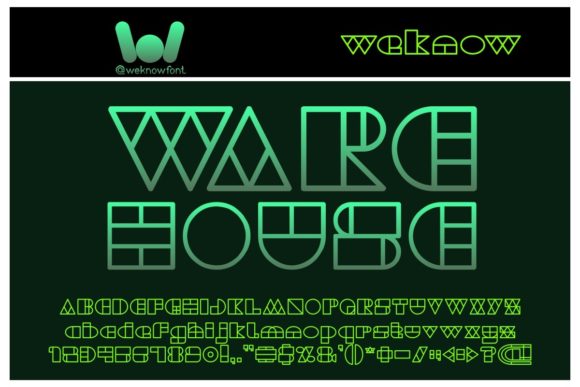
At its core, Warehouse Project is a display font built on geometric principles. The letterforms carry a sense of precision and modernity, with clean lines and balanced proportions that feel both contemporary and timeless. It doesn't scream for attention—it commands it through clarity and confident design choices. If you've ever struggled to find a typeface that bridges the gap between bold and refined, this one deserves a closer look.
Where Geometry Meets Personality
Geometric fonts have a reputation for feeling cold or clinical, but Warehouse Project sidesteps that trap. Yes, the foundations are mathematical—circles, squares, and consistent stroke widths—but the overall effect is warm enough to feel human. The characters have subtle details that prevent them from reading as sterile. There's a quiet confidence in how the letters sit together, which makes it versatile enough for a tech startup's branding and a music festival's poster simultaneously.
Think about the brands you admire. Chances are their logos and visual identities rely on typography that feels intentional and distinctive. Warehouse Project offers that same sense of deliberateness. It's the kind of font that tells your audience you've thought about every detail, even if the choice felt effortless on your end.
Real-World Applications That Actually Work
Let's get practical. Where does a typeface like this genuinely shine? The answer is broader than you might expect.
Logo design and brand identity sit at the top of the list. A geometric display font gives logos a professional edge without relying on decorative flourishes that might date quickly. If you're building a brand from scratch—whether it's a boutique coffee roaster, a fitness app, or an independent magazine—Warehouse Project can anchor your visual identity with a typeface that feels both modern and enduring.
Packaging design is another natural fit. On a shelf crowded with competing products, clean geometric letterforms help your packaging communicate quality and intentionality. The font's structure works beautifully for product names, taglines, and supporting copy on labels, boxes, and bags.
For social media graphics, consistency matters more than most people realize. When your Instagram posts, YouTube thumbnails, and Pinterest pins all share the same typographic DNA, your content becomes instantly recognizable even before someone reads a single word. Warehouse Project works well at various sizes, which is exactly what you need when your typeface has to perform across a 1080-pixel Instagram story and a small Twitter avatar.
Web design and blogs benefit from typefaces that balance personality with readability. While Warehouse Project is primarily a display font—meaning it's designed for headlines and large text rather than body copy—it pairs beautifully with simpler sans serif or serif fonts for longer paragraphs. Use it for your site's headings, hero sections, and call-to-action buttons, then let a more neutral font handle the rest.
Print materials like posters, flyers, event invitations, and editorial layouts also benefit from a typeface with this kind of visual weight. If you're designing a poster for a gallery opening, a music event, or a product launch, the geometric structure of Warehouse Project gives your layout a sense of order and sophistication that draws the eye without overwhelming the content.
And for merchandise—think t-shirts, tote bags, stickers, and hats—a bold display font is practically essential. The clean geometry of Warehouse Project translates well to screen printing, embroidery, and digital printing, where intricate details can sometimes get lost in the process.
Pairing Warehouse Project with Other Fonts
No typeface works in isolation. One of the most valuable skills in design is knowing how to pair fonts so they complement rather than compete. Warehouse Project's geometric structure makes it surprisingly easy to match with other typefaces.
For a clean, modern look, try pairing it with a simple sans serif like Open Sans, Lato, or Inter for body text. The contrast between Warehouse Project's display weight and a lighter body font creates visual hierarchy without feeling disjointed.
If your project leans more editorial or sophisticated, consider pairing it with a classic serif like Playfair Display or Georgia. The geometric-meets-traditional combination feels intentional and elevated, especially for magazine layouts, book covers, or luxury brand identities.
For something with more creative energy, a subtle script or handwritten font can add warmth alongside Warehouse Project's structured forms. Just be careful not to overdo it—too many competing styles create visual noise rather than harmony.
The key is to test your pairings in context. Don't just look at two fonts side by side in a font preview tool. Drop them into your actual layout. See how they interact at different sizes. Check the spacing. Read a few paragraphs aloud to yourself—if the visual rhythm feels off, adjust your choices.
Matching Typography to Your Project Goals
Before committing to any font, ask yourself what your project needs to communicate. Typography isn't just decoration—it's a messaging tool. The right typeface reinforces your brand's personality before anyone reads a headline.
Warehouse Project communicates modernity, structure, and confidence. It works well for brands and projects that want to feel current without chasing trends. If your audience expects innovation—whether you're a tech company, a creative agency, or an independent artist—this typeface aligns with that expectation naturally.
On the other hand, if your project demands a softer, more personal feel—a wedding invitation, a children's book, a cozy bakery brand—Warehouse Project might not be your primary choice. Understanding what a font communicates emotionally is just as important as how it looks technically.
Take time to review the included font styles and weights. Many premium fonts come with multiple variations—light, regular, bold, condensed—that expand your creative options significantly. Explore what's included before you start designing, so you can take full advantage of the typeface's range.
Licensing and the Business Side of Fonts
Here's something many designers and small business owners overlook: font licensing. If you're using a typeface for commercial work—a client's logo, product packaging, a paid app, or merchandise you sell—you need to make sure your license covers that use. Warehouse Project, like most professional design assets, comes with specific licensing terms that outline what's permitted.
Read the license before you start a project, not after. It's a small step that prevents legal headaches down the road, and it's a habit that separates professionals from hobbyists. Most font licenses are straightforward, but the details matter—especially when your work will be distributed widely or used across multiple platforms.
Making It Your Own
The best typeface choices feel invisible in the final design—not because they don't matter, but because they work so seamlessly with everything else that the whole composition feels inevitable. Warehouse Project has that quality. It doesn't fight your other design elements for attention. Instead, it provides a strong foundation that lets your content, imagery, and brand voice take center stage.
Whether you're refreshing an existing brand, launching a new creative project, or simply looking for a display font that holds up across different mediums, it's worth spending time with this typeface. Install it. Set some headlines. Build a quick mockup. See how it feels in your workflow. The right font often reveals itself not in a preview window, but in the middle of a real project when everything finally comes together.