Guitar Rumble: A Display Font That Brings the Noise
There’s a certain kind of energy you want in a design—something that doesn’t just sit there but actively grabs attention. Whether you’re building a brand identity for a new rock band, designing a poster for a music festival, or creating a striking logo for a tech startup, the typography you choose sets the entire tone. You need a typeface with presence, one that communicates power and style without saying a word. That’s the specific space Guitar Rumble occupies. It’s a bold, characterful display font engineered for impact, making it a versatile tool for projects that demand to be noticed.
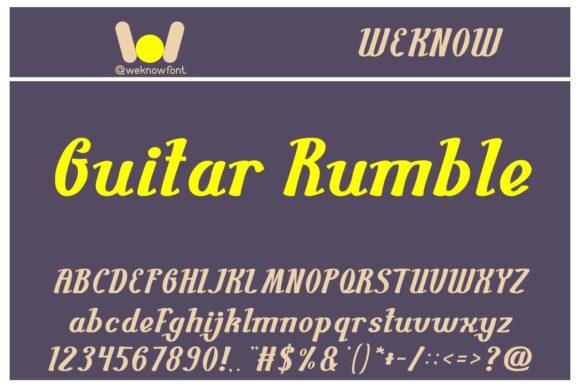
At its core, Guitar Rumble is a modern serif display font, but it carries an unmistakable edge. Its letterforms are clean and structured, yet they possess a dynamic, slightly rugged quality that prevents them from feeling cold or overly corporate. The thick strokes and sharp contrasts give it a confident, assertive personality. This isn’t a font for lengthy body text; it’s designed for headlines, logos, and any application where a few words need to carry significant visual weight. Think of it as the typographic equivalent of a power chord—it delivers a clear, resonant message with undeniable style.
Where This Typeface Truly Shines
The real value of a creative font like this lies in its application. Its bold nature makes it exceptionally well-suited for a wide range of design projects where legibility at a glance and emotional impact are paramount.
- Brand Identity & Logo Design: For brands that want to project strength, innovation, or a rebellious spirit, Guitar Rumble offers a fantastic foundation. It’s perfect for logos in the apparel industry, for sports teams, music labels, or any company looking to stand out. The distinct letterforms ensure high brand recognition.
- Packaging Design: On shelf or online, packaging needs to tell a story quickly. Using this typeface for product names or key slogans can instantly communicate the product's vibe—whether it's a craft beer, a line of energy drinks, or premium headphones.
- Posters & Editorial Layouts: Magazine covers, movie posters, and event flyers thrive on strong typography. Guitar Rumble can anchor a layout, providing a focal point that draws the reader in. Its style works particularly well for music, entertainment, and action-oriented themes.
- Digital Presence: In the crowded spaces of YouTube thumbnails, Instagram graphics, and website hero sections, standing out is non-negotiable. A bold display font cuts through the noise. It ensures your headlines are readable even at smaller sizes on mobile screens and adds a professional, curated feel to your digital assets.
- Merchandise & Marketing Assets: From t-shirts and hats to promotional banners and business cards, a strong typeface ensures consistency across all touchpoints. When your logo and headlines use the same powerful font, it reinforces brand cohesion and makes your materials instantly recognizable.
Making It Work in Your Projects
Simply choosing a great font isn’t enough; using it effectively is key. Here’s some practical advice for integrating a display font like Guitar Rumble into your workflow.
First, consider font pairing. A bold display font rarely works well alone in a full design. It needs a supporting cast. The most common and effective strategy is to pair it with a highly readable sans-serif or a simple serif for body copy. For example, use Guitar Rumble for your main headline, then pair it with a clean, neutral font like Open Sans, Lato, or a classic serif like Garamond for subheadings or paragraphs. This creates a clear visual hierarchy and ensures your content is easy to consume.
Second, always test for readability. While it’s designed to be legible, context matters. Avoid using it for very long sentences or small body text. Its strength is in short, impactful statements. Check how it looks in all caps versus mixed case for your specific application. Sometimes, using it for a single powerful word in a logo is more effective than a full phrase.
Third, review the included styles. A professional premium font often comes with variations—different weights, italics, or stylistic alternates. These extras are gold for designers. They allow you to create subtle variations within the same typographic family, adding depth to your designs while maintaining perfect consistency. Always check what’s included in the font package.
Finally, don’t overlook commercial licensing. If you’re using the font for a client project, merchandise for sale, or any commercial venture, ensure you have the correct license. Most reputable font foundries offer clear licensing tiers for personal, desktop, web, and app use. Respecting font licensing is a professional necessity that protects both you and your clients.
A Tool for Visual Storytelling
Ultimately, typography is a form of visual storytelling. The fonts you select whisper (or shout) clues about your brand’s personality, your project’s energy, and your audience. A typeface like Guitar Rumble isn’t just a set of letters; it’s a design asset that can help define a mood—be it gritty, powerful, modern, or avant-garde. By understanding its strengths and applying it thoughtfully, you can leverage its distinctive character to create more engaging, professional, and memorable designs. It’s about matching the tool to the task and letting the font do what it does best: make a statement.