Techno: The Display Font That Commands Attention in Modern Design
Every brand, project, or campaign needs a visual anchor—something that immediately tells your audience what you're about before they even read a word. That's the power of a well-chosen display typeface, and it's exactly where a font like Techno steps in. With its sharp geometry, bold presence, and unmistakably modern character, this typeface isn't just another option in your design toolkit. It's a statement piece, built for creators who want their work to feel current, confident, and impossible to ignore.
A Typeface Built for the Digital Age
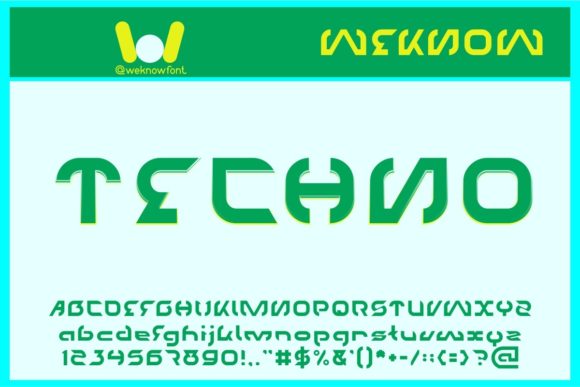
Techno draws its personality from the aesthetics of technology, futurism, and urban culture. The letterforms feature clean cuts, angular terminals, and a sense of mechanical precision that feels right at home in contemporary design. It's not trying to mimic handwriting or evoke historical printing traditions. Instead, it leans into the visual language of screens, interfaces, and digital experiences—which makes it an incredibly relevant choice for anyone working in branding, entertainment, or online content.
What makes this particular display font stand out is its balance between being expressive and remaining functional. Some decorative typefaces sacrifice readability for style, but Techno maintains a clear, legible structure even at larger display sizes. That combination is surprisingly hard to find, and it's what makes this typeface versatile enough to work across so many different applications without feeling out of place.
Where Techno Truly Shines: Real-World Applications
If you're designing a logo for a tech startup, an esports team, a music label, or a streetwear brand, Techno immediately sets the right tone. Its geometric foundation gives logos a sense of stability and precision, while its stylistic details add personality and edge. You're not getting a generic sans serif font that could belong to anyone—you're getting a typeface with enough character to help a brand stand apart in crowded markets.
For packaging design, especially in industries like electronics, energy drinks, gaming accessories, or modern lifestyle products, this font communicates innovation and boldness. Imagine it on a product box sitting on a retail shelf—its sharp lines and strong presence would catch a shopper's eye from several feet away. That kind of visual impact is exactly what good packaging typography should deliver.
Social media is another arena where Techno performs exceptionally well. Whether you're creating Instagram story templates, YouTube thumbnails, TikTok overlays, or Twitter headers, a bold display typeface helps your content pop in fast-scrolling feeds. Pair it with vibrant colors or high-contrast backgrounds, and you've got graphics that stop thumbs and drive engagement. Content creators and marketers who need consistent, recognizable visual branding across platforms will find this font especially useful.
Poster design and event promotion materials benefit enormously from a typeface with this kind of presence. Music festivals, club nights, product launches, tech conferences, gaming tournaments—any event that wants to project energy and modernity can use Techno as its headline font to great effect. The letterforms carry enough visual weight to anchor a poster layout without requiring excessive ornamentation or supporting graphics.
Strengthening Brand Identity Through Typography
One of the most overlooked aspects of building a brand is typography consistency. The fonts you choose become part of your visual DNA—they appear on your website, your business cards, your social media posts, your merchandise, and your marketing materials. When those choices are intentional and cohesive, audiences begin to recognize your brand even before they see your logo or name.
Techno works particularly well as a headline or display typeface within a broader typographic system. You might pair it with a clean sans serif font for body text, or even a simple serif font for contrast in editorial layouts. The key is letting Techno handle the heavy lifting—those moments where you need maximum visual impact—while relying on more neutral typefaces for longer passages of text where readability at smaller sizes matters most.
This approach to font pairing is something professional designers use constantly. The display font grabs attention and communicates personality, while the supporting typeface ensures information is easy to consume. Getting that balance right is what separates amateur-looking designs from polished, professional presentations.
Practical Tips for Working with Display Typefaces
Before committing to any premium font for a project, it's worth spending time testing how it behaves in your specific context. Set your actual headlines, not just the alphabet. Check how numbers and punctuation look. Try different sizes and color combinations. A typeface that looks stunning in a font specimen might behave differently when applied to real content—and that testing phase is where you catch potential issues before they reach your audience.
Readability considerations matter more than many people realize. Display fonts like Techno are designed for short, impactful text—think headlines, taglines, single words, or brief phrases. They're not intended for paragraphs of body copy. Using them appropriately means respecting their design purpose: they exist to make a strong first impression, not to carry extended reading experiences.
Another practical consideration is licensing. If you're using a font for commercial purposes—client work, products for sale, business branding, or monetized content—make sure you understand the licensing terms. Most premium fonts come with clear commercial licenses, but the specifics can vary. Some licenses cover a certain number of users or projects, while others offer broader coverage. Reading the fine print protects you legally and ensures the font creator is compensated fairly for their work.
Matching Typography to Your Creative Vision
The best design decisions happen when aesthetics align with strategy. Choosing Techno for a project shouldn't just be about thinking it looks cool—though it certainly does. It should be about recognizing that its visual qualities match the message you're trying to communicate. If your brand or project is about innovation, energy, modernity, or forward-thinking creativity, this typeface naturally reinforces those themes.
Consider the emotional response you want to evoke. Sharp, geometric letterforms tend to feel precise, technological, and confident. Rounded elements might suggest approachability. The specific characteristics of a font like Techno—its angles, its weight distribution, its spacing—contribute to a cumulative impression that influences how people perceive your work. Paying attention to those details is what elevates design from decoration to communication.
Whether you're a freelance designer building brand identities for clients, an entrepreneur launching a new product line, a content creator developing a signature visual style, or a hobbyist working on personal creative projects, having a strong display typeface in your collection gives you a powerful tool. It's the kind of asset that earns its place in your design toolkit project after project, helping you deliver work that looks intentional, contemporary, and professionally crafted.