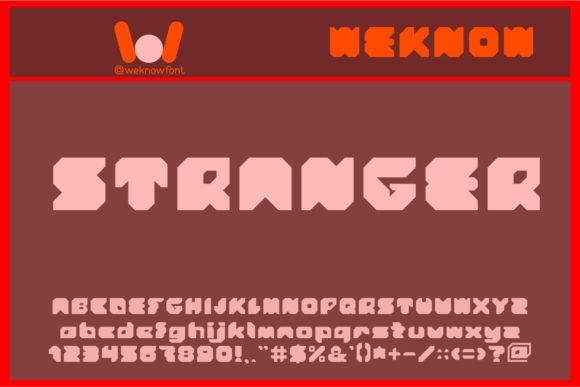
Why Stranger Is the Bold Display Font Your Project Needs
Sometimes a design calls for something that refuses to blend in. You're not looking for a quiet, neutral typeface that politely steps aside for the imagery. You need a font with presence, a voice that announces itself the moment someone sees your logo, poster, or social media post. This is where a distinctive display font becomes an invaluable asset, transforming standard text into a central visual element. For creators working on projects that demand attention—from music branding to editorial spreads to game titles—the right typographic choice can define the entire aesthetic.
A Typeface with Unmistakable Character
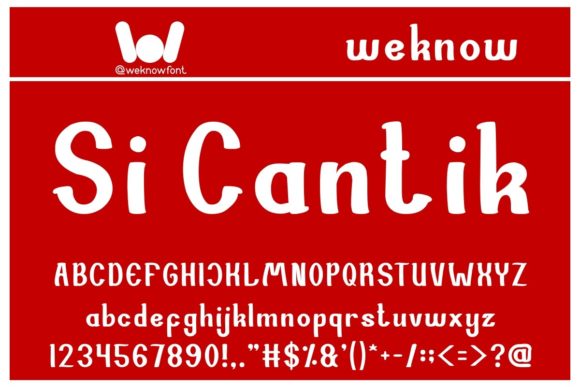
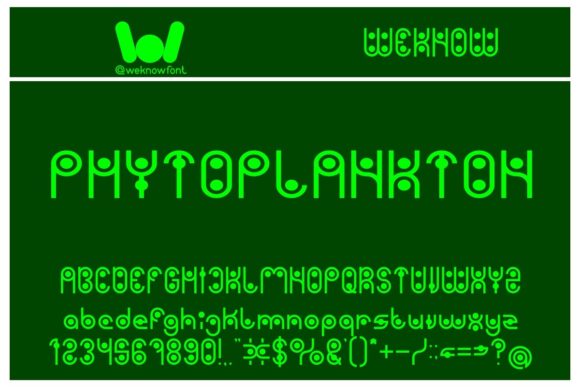
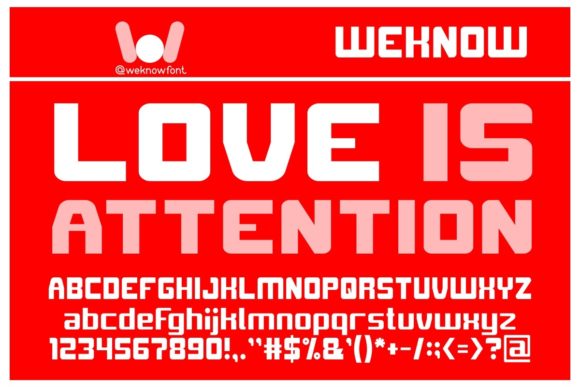
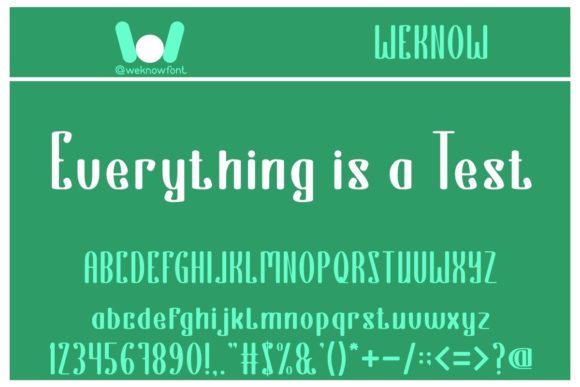
Stranger is a bold, multi-themed display typeface designed precisely for these moments. Its strength lies in its ability to convey a strong, varied personality. It isn't a single-note font; it offers different stylistic approaches within its family, allowing you to tailor the mood to your specific project. One style might feel gritty and urban, perfect for a streetwear brand or a concert poster. Another variation could lean more structured and modern, suitable for a tech startup's branding or a sleek magazine layout. This versatility is key—it means you're not locked into one narrow aesthetic but can explore different expressions while maintaining a cohesive visual thread.
The visual appeal comes from its deliberate design choices. Strong, confident letterforms ensure high impact at larger sizes, which is essential for any display work. Whether used for a single, powerful headline on a website hero section or as the main logo type, it commands the viewer's eye. The attention to detail in its curves and terminals gives it a polished, professional finish that elevates any project it touches. It feels intentional, crafted for commercial and creative use where first impressions are non-negotiable.
From Brand Identity to Social Media Feeds
Let's talk about real-world applications. For a small business owner or entrepreneur developing a brand identity, typography is a foundational pillar. Using a bold display font like this for your logotype can set you apart from competitors using overused, generic fonts. It helps build immediate brand recognition. Think about a boutique coffee roaster, a local brewery, or an independent record label—each could use a different stylistic variant of the font to reflect their unique vibe, from rustic to rebellious to refined.
The utility extends far beyond logos. Consider how it functions across various design assets:
- Packaging Design: On a shelf crowded with products, a distinctive font on your packaging grabs attention instantly. It communicates the product's personality before a single word is read.
- Poster and Editorial Design: For event posters, book covers, or magazine headlines, it provides the necessary visual hierarchy and drama. It makes the title the undeniable star.
- Merchandise and Apparel: T-shirts, hats, and stickers thrive on strong typographic statements. A well-chosen display font turns simple text into desirable graphic art.
- Digital Presence: On YouTube thumbnails, Instagram graphics, or website banners, it cuts through the noise of a fast-scrolling feed. It’s perfect for creating cohesive, branded social media templates that look professional and intentional.
Practical Tips for Effective Implementation
Choosing a bold display font is just the first step. Using it effectively is what makes the difference. Here’s some practical advice to ensure your typography works as hard as you do.
Match Font to Goal: Before selecting a style, define your project's primary emotion. Is it edgy, elegant, playful, or authoritative? Review the different stylistic sets included with the font. Test them in your design context to see which one resonates most authentically with your message.
Master the Pairing: A powerhouse display font rarely works alone for body copy. Pair it with a simpler, highly readable serif or sans serif font. For example, use the bold display variant for headlines and subheads, then pair it with a clean sans serif like Helvetica or a classic serif like Garamond for longer paragraphs. This creates a balanced, professional hierarchy that guides the reader's eye smoothly from the impactful headline to the supporting text.
Prioritize Readability: Impact shouldn't come at the cost of clarity. Always test your text at the actual size it will be viewed. A font that looks stunning in a design file might become difficult to read on a mobile screen or from a distance on a poster. Adjust letter-spacing (tracking) or line height (leading) as needed to ensure legibility.
Understand Licensing: For any project with commercial intent—whether it's a client's logo, merchandise for sale, or a monetized YouTube channel—ensuring you have the correct commercial license for your premium font is critical. It’s a professional safeguard that respects the font designer's work and protects your own projects from legal issues.
Building a Cohesive Visual Language
Ultimately, the goal of thoughtful typography is to build a consistent and recognizable visual language. When you use the same core typeface family across your website, social media, print materials, and packaging, you create a subconscious sense of reliability and professionalism for your audience. It makes your brand feel more established and trustworthy.
A versatile display font serves as the anchor for this system. It provides the memorable, high-impact moments, while its complementary fonts handle the detailed communication. This strategic approach to design assets saves time, ensures cohesion, and ultimately strengthens how your audience perceives and engages with your brand or creative work. It’s not just about making something look good; it’s about making it work effectively towards your specific goals.