Yesterday: A Display Font with Modern Retro Appeal
There's a particular kind of font that stops you mid-scroll. It doesn't whisper—it announces. It carries personality in every curve and weight, and it knows exactly what it wants to say before you've even typed a word. Yesterday is that kind of typeface. It's a display font built for moments that demand attention: the headline on a movie poster, the logo on a craft brewery's bottle, the title card on a YouTube video, or the bold text on a music festival lineup. If you've been searching for a typeface that bridges vintage charm with contemporary punch, Yesterday deserves a closer look.
What Makes Yesterday Stand Out in a Crowded Font Market
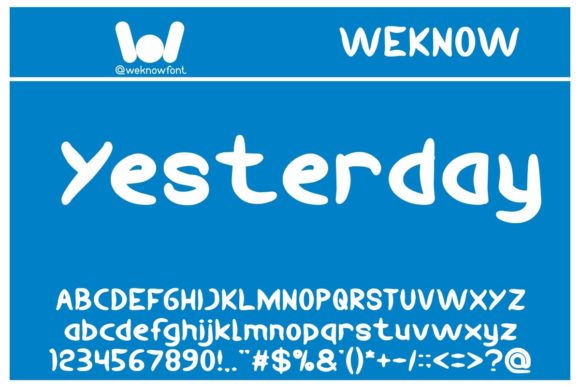
Yesterday isn't trying to be everything to everyone, and that's precisely what makes it useful. It's a display typeface, which means it's engineered for impact at larger sizes rather than body text at 11 points. The letterforms have a cool, confident aesthetic—think mid-century signage meets modern editorial design. There's a subtle geometric quality to the characters, balanced by enough personality to avoid feeling sterile or corporate.
What strikes you first is the font's versatility across creative contexts. The same typeface that looks sharp on a concert poster can feel perfectly at home on a clothing tag or an Instagram story. This adaptability comes from its clean construction and balanced proportions. The characters hold their own individually while creating a cohesive visual rhythm when set together. That's harder to achieve than it sounds, and it's the kind of quality that separates a well-crafted premium font from the thousands of free alternatives floating around online.
Practical Applications: Where Yesterday Actually Works
Let's talk about real projects, because that's what matters when you're investing in design assets. Yesterday shines in scenarios where you need a typeface to carry visual weight without relying on decorative gimmicks.
Branding and Logo Design: If you're building a brand identity for a lifestyle company, a creative studio, a music label, or an apparel line, Yesterday offers a strong starting point. Its display characteristics make it ideal for logomarks and wordmarks that need to be recognizable at a glance. A small business owner launching a streetwear brand, for instance, could use this font across hang tags, packaging, and social media profiles to create instant visual consistency. The font's personality does a lot of heavy lifting, which means you can keep surrounding design elements minimal and still make a strong impression.
Packaging and Merchandise: Product packaging lives or dies on shelf presence. Yesterday's bold, confident letterforms work well on labels, boxes, and bags—particularly for products targeting a design-conscious audience. Think craft beverages, artisanal food products, vinyl records, or limited-edition merchandise. The font reads clearly at distance and holds up when printed on textured materials, which matters more than people realize until they've seen a great typeface turn muddy on kraft paper.
Social Media and Digital Content: Content creators and marketers need fonts that perform on screens of every size. Yesterday translates well to digital environments—YouTube thumbnails, Instagram carousel covers, Pinterest graphics, website hero sections, and email headers. Its strong visual presence means your text competes effectively with images and video for viewer attention. For bloggers and podcasters creating consistent visual content, a reliable display font like this becomes a cornerstone of their brand recognition strategy.
Posters, Editorial Layouts, and Print: Magazine covers, event posters, book titles, comic covers, album artwork—these are the environments where display fonts live their best lives. Yesterday handles headline duty with authority. Its letter spacing and weight distribution give designers room to experiment with size and scale without the text falling apart visually. If you're working on editorial design or creating marketing collateral, this kind of typographic reliability saves hours of adjustment work.
Invitations, Greeting Cards, and Personal Projects: Not every font use is commercial. Crafters and hobbyists working on wedding invitations, party decorations, custom cards, or scrapbooking projects often need a typeface that feels special without being illegible. Yesterday offers enough character to elevate a personal project while remaining readable and print-friendly.
Matching Typography to Your Project Goals
Choosing a font isn't just about what looks good in isolation—it's about what serves your specific project. Before you commit to Yesterday or any display typeface, consider a few practical questions:
What's the primary context? A font that dominates a poster headline might overwhelm a business card. Display fonts like Yesterday work best at larger sizes, so think about where your text will actually appear. If you need something for extended paragraphs or fine print, you'll want to pair it with a complementary serif font or sans serif font for body copy.
Who's your audience? Yesterday's aesthetic leans toward creative, modern, and slightly retro sensibilities. It resonates with audiences who appreciate design-forward branding—think music fans, fashion consumers, gamers, and creative professionals. If your audience skews more conservative or traditional, you might use Yesterday selectively for accent pieces rather than as your primary typeface.
What's your brand personality? Typography communicates tone before a single word is read. Yesterday suggests confidence, creativity, and a certain stylish coolness. If that aligns with your brand identity, it's a strong match. If your brand leans more playful, whimsical, or formal, explore whether the font's style supports or contradicts that positioning.
Font Pairing: Building a Complete Typographic System
Very few projects need just one font. Yesterday handles headlines and display text beautifully, but most designs benefit from a thoughtful pairing strategy. Consider combining it with a clean sans serif font for subheadings and body text—something like a geometric or neo-grotesque typeface that complements Yesterday's personality without competing with it. Alternatively, pairing it with a simple serif font can create an elegant contrast for editorial or publishing projects.
The key principle is hierarchy. Your display font grabs attention, your secondary font delivers supporting information, and your body font handles the details. When these three levels work together, your design feels intentional and professional. When they clash, even strong individual fonts can make a project feel disjointed.
Test your pairings in context rather than just in a font preview tool. Set actual text from your project—your real headlines, your real body copy—and see how the fonts interact at the sizes you'll actually use. This practical testing reveals problems that abstract comparison never will.
Licensing and Commercial Use: What to Know
One detail that trips up many designers and small business owners is font licensing. Before using Yesterday—or any font—in commercial projects, verify the licensing terms. Most premium fonts come with clear commercial licenses, but the specifics vary. Some licenses cover a single user; others allow installation across a team. Some cover digital use but require an extended license for merchandise or physical products sold at scale.
If you're a freelancer or agency, pay attention to whether the license transfers to your client or stays with you. For entrepreneurs producing their own merchandise, confirm that the license covers the specific use case—printing the font on t-shirts, for example, may require different terms than using it on a website. These aren't exciting details, but getting them wrong can create expensive problems later.
Why the Right Display Font Matters More Than You Think
Typography is one of those design elements that people notice subconsciously long before they analyze it consciously. A strong display font like Yesterday doesn't just make your text look good—it establishes mood, communicates professionalism, and creates the kind of visual consistency that builds brand recognition over time. Whether you're designing a movie poster, launching a product line, building a YouTube channel, or creating a magazine layout, the typeface you choose becomes part of your audience's memory of that experience.
Yesterday isn't a font that tries to do everything. It does specific things exceptionally well—command attention, convey personality, and anchor a visual system with confidence. For designers, creators, and business owners who need that kind of typographic presence, it's worth exploring how it fits into your next project. The best font choices aren't about following trends; they're about finding the right voice for your message and letting it speak clearly.