Mono Matrix: Where Grid Precision Meets Serif Elegance
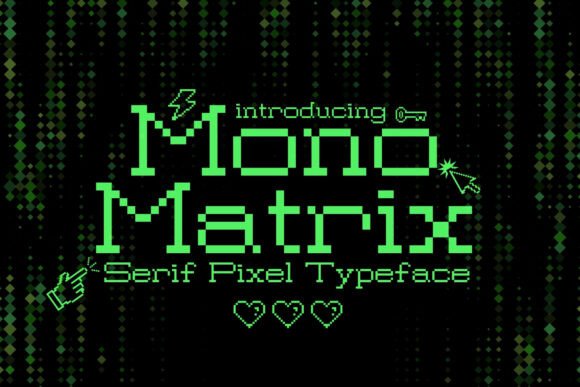
There's a particular kind of magic in typefaces that refuse to fit neatly into a single category. Mono Matrix is one of those fonts—built on the rigid discipline of pixel grids but softened with serif details that give it unexpected warmth. If you've ever scrolled through font libraries feeling like everything looks either too sterile or too ornate, this typeface occupies a compelling middle ground. It carries the unmistakable DNA of early digital design while borrowing the visual rhythm and sophistication of traditional serif letterforms.
For designers, entrepreneurs, and creators who need a font that communicates both nostalgia and professionalism, Mono Matrix offers something genuinely different. It's not trying to be everything to everyone, but for the right project, it becomes the element that ties an entire visual identity together.
A Pixel Font That Refuses to Stay in Its Lane
Pixel fonts have a reputation. They're associated with retro gaming, lo-fi aesthetics, and that unmistakable blocky charm of early computer screens. And while that heritage is part of their appeal, it can also limit where and how they're used. Mono Matrix sidesteps that limitation by weaving serif characteristics into its grid-based structure. The result is a typeface that reads as intentional rather than nostalgic—a design choice, not a gimmick.
The serif additions aren't heavy-handed. They appear as subtle strokes at the terminals of letters, giving each character a sense of completion that pure pixel fonts often lack. This small detail changes everything. Suddenly, body text feels more readable. Headlines carry more authority. The font stops feeling like a novelty and starts functioning as a workhorse for real design work.
What makes this fusion particularly effective is the balance. The pixel grid keeps letterforms consistent and structured, which matters enormously in digital environments where clarity at small sizes is non-negotiable. The serif details add personality without sacrificing that clarity. It's a tightrope walk, and Mono Matrix handles it with surprising grace.
Where This Typeface Truly Shines
Understanding where a font works best is just as important as understanding how it looks. Mono Matrix finds its stride in projects that benefit from a blend of technical precision and visual character. Here's where it tends to make the strongest impact:
Brand Identity and Logo Design
For brands positioning themselves at the intersection of technology and creativity—think indie game studios, retro-inspired product lines, boutique tech companies, or digital art collectives—Mono Matrix can anchor an entire visual system. Its dual nature communicates innovation without abandoning tradition. A logo set in this typeface tells audiences that the brand respects craft while embracing modern tools.
Editorial and Publication Design
Magazines, zines, and digital publications exploring themes of technology, culture, or design history benefit from fonts that carry editorial weight. Mono Matrix works beautifully for headlines and pull quotes in these contexts. Pair it with a clean sans serif for body copy, and you get a layout that feels curated and intentional.
Packaging and Merchandise
Physical products with a digital or retro sensibility—cassette tapes, vinyl records, indie board games, specialty coffee roasters with a tech-forward brand—can use Mono Matrix on labels, boxes, and tags to reinforce their aesthetic positioning. The font's pixel foundation reads well on textured surfaces where smoother typefaces might lose definition.
Digital Interfaces and Game Design
UI designers working on apps, dashboards, or game menus often need typefaces that feel native to screen environments. Mono Matrix delivers that screen-native quality while its serif details prevent it from looking generic. It's particularly effective in settings where users expect a certain level of visual personality—indie games, creative software, experimental web projects.
Social Media and Marketing Assets
Scroll-stopping graphics on Instagram, Twitter, or LinkedIn often rely on bold, distinctive typography. A display font like Mono Matrix gives social content an edge that standard system fonts simply cannot. Its unique silhouette makes text-based posts more recognizable, which directly supports brand recall across platforms.
Practical Guidance for Working with Mono Matrix
Choosing a font is only half the equation. Using it effectively requires some strategic thinking.
Pairing It Wisely
Mono Matrix's personality is strong, so it pairs best with typefaces that complement rather than compete. A geometric sans serif makes an excellent partner for body text—something like a clean, modern sans serif that offers contrast without conflict. Avoid pairing it with other display fonts that carry equal visual weight. The goal is hierarchy: Mono Matrix should lead, and its partner should support.
Size and Spacing Matter
Pixel fonts behave differently at various sizes. Test Mono Matrix across a range of sizes before committing to a final layout. At larger display sizes, the serif details become more prominent and expressive. At smaller sizes, the pixel grid takes precedence, which actually aids readability. Adjust letter spacing slightly if you're using it for longer headlines—pixel-based letterforms sometimes benefit from a touch more breathing room.
Color and Contrast
This typeface holds up well in high-contrast scenarios—light text on dark backgrounds, or vice versa. Its grid structure means edges stay crisp even when color combinations get adventurous. Experiment with monochromatic palettes for a more restrained look, or use accent colors to highlight key words in marketing materials.
Review the Full Character Set
Before starting a project, take time to explore the complete glyph set that comes with Mono Matrix. Many premium fonts include alternate characters, ligatures, or stylistic variations that can add nuance to your designs. Knowing what's available prevents you from settling for default settings when something more refined might exist within the font files themselves.
Licensing and Commercial Use
If you're using Mono Matrix for client work, merchandise, or any commercial application, verify the licensing terms. Most professional typefaces come with clear guidelines about how many users, devices, or projects a single license covers. Understanding these details upfront saves headaches later—especially if a project scales or gets distributed across multiple platforms.
The Role of Typography in Making People Pay Attention
We live in a visual economy where the average person encounters thousands of branded messages daily. Most of those messages blur together because they rely on the same handful of safe, predictable fonts. Typography is one of the fastest ways to differentiate—not by being louder, but by being more deliberate.
Mono Matrix doesn't scream for attention. It earns it through distinctiveness. When someone sees it on a poster, a product label, or a website header, there's a moment of recognition. The font looks familiar enough to feel approachable (we've all seen pixels) yet different enough to register as a conscious design decision. That moment of recognition is where brand memory begins.
For small business owners and independent creators especially, this matters. You might not have the budget for a massive advertising campaign, but you can control the visual language of everything you put into the world. A thoughtfully chosen typeface becomes part of that language—repeated across invoices, social posts, packaging, and signage until it becomes synonymous with your brand.
Final Thoughts on Finding the Right Fit
Not every font suits every project, and that's exactly how it should be. Mono Matrix isn't the right choice for a law firm's annual report or a children's book. But for projects that live at the crossroads of digital culture, creative ambition, and visual storytelling, it's a typeface that delivers real character without sacrificing function.
If your work involves branding for tech-adjacent businesses, designing editorial spreads with personality, creating merchandise for niche audiences, or building digital experiences that need a distinctive voice, Mono Matrix deserves a spot in your font library. It's the kind of typeface that makes you rethink what a pixel font can be—and that alone makes it worth exploring.