Modern Society: The Typeface for Tomorrow's Brands
Picture the sleek lines of a futuristic interface, the confident typography on a high-end tech product, or the bold heading of a cutting-edge design portfolio. That feeling of precision, innovation, and forward-thinking style isn't accidental—it's crafted. In the visual language of modern branding, the font you choose is the first handshake, the opening statement. It sets a tone before a single word is read. This is where a typeface like Modern Society enters the conversation, offering a bridge between the digital present and the aesthetic future.
A Visual Language of Precision and Edge
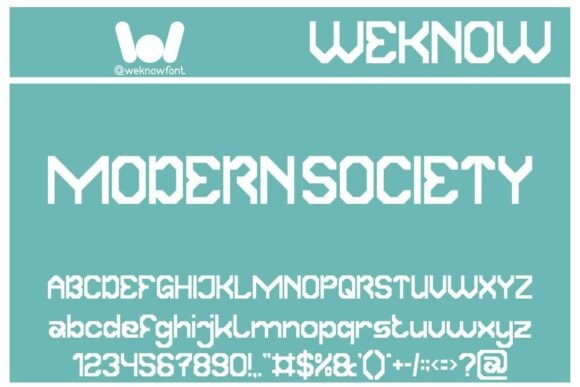
Modern Society isn't just another display font; it's a geometrically sophisticated tool designed for clarity and impact. Its letterforms are built on clean, structured lines, avoiding unnecessary flourish in favor of a deliberate, almost engineered appearance. This creates a sense of stability and technological confidence. The subtle angles and uniform stroke widths give it a robotic charm without feeling cold or impersonal. It’s a typeface that communicates efficiency, innovation, and a sharp, contemporary vision. For a designer, this means it can instantly inject a project with a modern, sci-fi-influenced vibe that feels both aspirational and achievable.
Think about the brands that dominate the tech and innovation space. Their visual identities often rely on typography that feels clean, scalable, and unmistakably modern. Modern Society fits squarely into this category. It’s a premium font that serves as a foundational design asset, helping to establish a strong visual anchor for your entire brand identity. Whether you're a startup founder defining your look or a designer refreshing a client's image, this typeface offers a serious, professional starting point.
Where This Typeface Truly Shines
The real test of any creative font is its versatility. A beautiful typeface locked into a single use case has limited value. Modern Society’s strength lies in its adaptability across a surprising range of applications, making it a practical choice for numerous projects.
- Branding & Logo Design: Its clean geometry makes it exceptionally legible at various sizes, from a tiny favicon to a massive billboard. This scalability is crucial for logo design, ensuring your mark remains crisp and recognizable everywhere. It helps build instant brand recognition through consistent, professional typography.
- Digital Presence: On websites and blogs, it creates a strong visual hierarchy for headings and pull quotes, guiding the reader's eye without overwhelming the body text. For social media graphics on YouTube or Instagram, it makes posts instantly stand out in a crowded feed, conveying a sense of style and authority that boosts engagement.
- Print & Editorial Layouts: In magazines, posters, or book covers, it commands attention. Imagine a movie poster with a title set in Modern Society—the font itself tells a story of suspense, technology, or action. For editorial design, it can frame articles on innovation, culture, or business with a sharp, relevant aesthetic.
- Packaging & Merchandise: For product packaging, especially in tech, apparel, or lifestyle brands targeting a design-conscious audience, it adds an immediate premium feel. On merchandise like t-shirts, tote bags, or mugs, it turns a simple logo into a style statement.
This typeface isn't limited to the digital and print spheres. It resonates in creative fields like music album art, game UI design, and even humorous comics where a futuristic or robotic tone is part of the joke. It’s a true workhorse for any project aiming to project a modern, innovative image.
Making It Work: Practical Pairings and Considerations
Choosing a great font is half the battle; using it effectively is the other. Here’s how to integrate a typeface like Modern Society into your workflow for the best results.
Font Pairing is Key: A strong display font needs a reliable partner for body copy. Modern Society’s geometric sans-serif nature pairs beautifully with highly readable serif fonts for a classic-meets-modern contrast, or with simple, clean sans-serifs for a fully contemporary look. Avoid pairing it with other overly decorative or script fonts, as this can create visual clutter. The goal is harmony and readability.
Test for Readability: While it’s designed for impact, always test your chosen weight and style in context. A bold, all-caps heading might be perfect for a poster but could be overwhelming for a long subheading on a website. Use its lighter weights or a mix of cases to manage visual density. Check it on different screens and in print proofs to ensure it performs as expected.
Understand the Included Styles: A professional font family often includes multiple weights (Light, Regular, Bold, Black) and sometimes italic or condensed versions. Review all the styles included with your license. Using a condensed weight for tight spaces or a light weight for subtle accents can dramatically expand the font’s utility and help you create more nuanced, professional layouts.
Licensing Matters: For any commercial project—whether it's a client's logo, merchandise for sale, or a paid digital product—ensure you have the correct commercial license. This is a non-negotiable part of professional design. Reputable font foundries are clear about their licensing, giving you the legal peace of mind to use the asset confidently in your business or your clients' businesses.
Infusing the Future into Your Creative Canvas
In a landscape where visual communication moves faster than ever, your typography is a silent ambassador for your ideas. It can whisper professionalism, shout innovation, or simply make information easier to digest. Modern Society offers a specific and powerful voice: one of geometric clarity, futuristic elegance, and robust versatility. It’s a tool that helps bridge the gap between a concept in your mind and a polished, engaging visual reality. By thoughtfully applying this typeface to your next project—be it a brand identity system, a marketing campaign, or a personal creative endeavor—you’re not just selecting letters. You’re choosing a tone, a mood, and a strategic piece of visual communication designed for the world of tomorrow.