Injecting Pure Energy Into Your Designs with Ontime Boom
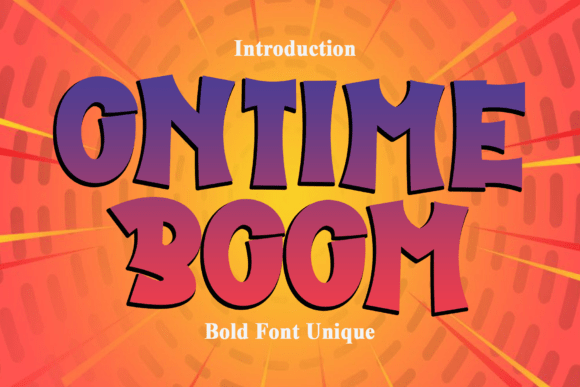
Every once in a while, you stumble across a design asset that feels less like a tool and more like a catalyst. You know the feeling—you’ve been staring at a blank canvas or a draft layout, trying to figure out how to make a headline pop or how to inject a sense of motion into a static image. That is exactly the kind of electricity that Ontime Boom brings to the table. It isn't just a collection of letters; it is a bold, explosive display typeface that practically vibrates with attitude. If you are working on a project that demands to be seen and heard, this font offers the kind of dynamic shapes and playful proportions that instantly grab attention.
The appeal of this typeface lies in its refusal to be boring. We have all seen the safe sans-serifs and the standard serifs that do the heavy lifting for corporate reports, but when the goal is excitement, you need something different. Ontime Boom features thick, irregular letterforms that create a rhythm of their own. It radiates a specific kind of confidence—think comic book sound effects, energetic toy packaging, or the branding for a high-octane video game. It bridges the gap between professional typography and raw, unadulterated fun.
The Anatomy of Attitude
When we talk about modern typography, we often focus on legibility and grid systems. While those are vital for body copy, display fonts operate under a different set of rules. Ontime Boom thrives on breaking the grid slightly. The curves are crafted to suggest movement, and the edges are sharp enough to command respect but round enough to remain friendly. This balance is crucial. You want a font that screams "look at me," but you don't want it to scream "I'm unreadable." This typeface walks that line perfectly.
From a visual communication standpoint, the "boom" effect is achieved through visual weight. These are heavy letterforms that anchor a design. Whether you are working on a logo design for a startup that wants to disrupt the market, or you are creating social media graphics that need to stop the scroll, the density of the characters ensures they aren't ignored. It delivers a punch of personality that lighter, thinner fonts simply cannot achieve.
Practical Applications: Where Energy Meets Function
As a designer or business owner, knowing when to use a specific typeface is half the battle. You wouldn't use a script font for a technical manual, and you wouldn't use a monospace font for a wedding invite. Ontime Boom, however, has a surprisingly wide range of applications where its "loud" personality is actually a functional benefit.
Consider the world of packaging design. On a crowded shelf, consumers make split-second decisions. A product wrapped in a playful, bold font suggests that the brand is approachable and fun. This makes it a premium font choice for kids' merchandise, snack packaging, or energy drinks. It tells a story before the customer even reads the product description.
Then there is the digital space. Web design often suffers from a lack of personality, relying too heavily on generic system fonts. Using a creative font like this for hero headers on a landing page can instantly set the tone. It works beautifully for blog post titles related to entertainment, gaming, or pop culture, effectively drawing the reader into the content. It adds a sense of editorial flair that standard fonts lack.
- Merchandise: It translates exceptionally well to T-shirts, tote bags, and stickers where the design needs to be impactful from a distance.
- Invitations: Perfect for children's birthday parties or casual event flyers where a stiff, formal serif font would feel out of place.
- Marketing Assets: Use it for call-to-action buttons or banner ads. The visual weight commands the eye to click.
- Cartoon Illustrations: If you are designing a storyboard or a comic strip, this font mimics the hand-drawn energy of classic animation.
Strategic Branding and Visual Consistency
Choosing a font is a strategic decision, not just an aesthetic one. Your typography is the voice of your brand. If you are a small business owner launching a brand that targets a younger demographic or positions itself as a disruptor, Ontime Boom can serve as a cornerstone of your brand identity. It creates immediate brand recognition because it is distinct. People will associate that specific "explosive" look with your content.
However, visual consistency is key. Once you select this display font for your headlines, you need to ensure the rest of your design supports it. This is where font pairing becomes essential. Because Ontime Boom is so expressive and detailed, it pairs best with simpler, cleaner typefaces. A neutral sans serif font or a clean modern typography style works best for body text. If you try to pair it with an overly decorative script font or a complex serif font, the design will likely become cluttered and difficult to read.
Think of it as a lead singer and a backing band. Ontime Boom is the frontman with all the flair; the supporting font needs to keep the rhythm steady and let the lead shine. This contrast actually improves readability because it creates a clear hierarchy. The eyes are drawn to the big, bold headlines first, and then naturally flow to the smaller, cleaner body copy for the details.
Technical Considerations for Creative Projects
Before you integrate any new typeface into your workflow, a few practical checks are necessary. First, always review the included font styles. Does the family come with different weights? While the standard "Boom" style is likely the star of the show, having access to a slightly lighter or condensed version can be helpful for varying your layouts without losing the brand feel.
Second, licensing is a non-negotiable aspect of using design assets. Ensure that the commercial font license covers your specific intended use. Are you using it for a logo that will be printed on merchandise? Are you using it for a digital product template that you intend to sell? Most premium font foundries offer different tiers of licensing, so verifying this protects you legally and ensures the creator is compensated for their work.
Finally, test the font in context. Don't just look at the alphabet sheet. Type out your actual headlines. See how the letters interact with each other. Look at the kerning (the space between characters). In a dynamic font like this, certain letter combinations might look tighter or looser than others. Adjusting the tracking slightly can make a huge difference in the final professional presentation of your design.
Conclusion: Let Your Typography Speak
In a world where attention is the scarcest resource, settling for typography that blends into the background is a missed opportunity. Ontime Boom is designed for the moments when you need to be bold, loud, and unapologetically fun. It is a tool for creators who aren't afraid to let their personality shine through their work. Whether you are crafting a digital product, designing a poster for a local event, or refreshing a brand identity, this typeface offers a way to inject immediate energy into your visuals. It turns static text into a dynamic experience, ensuring your message isn't just read, but felt.