Damage: A Bold Font with Gritty Character
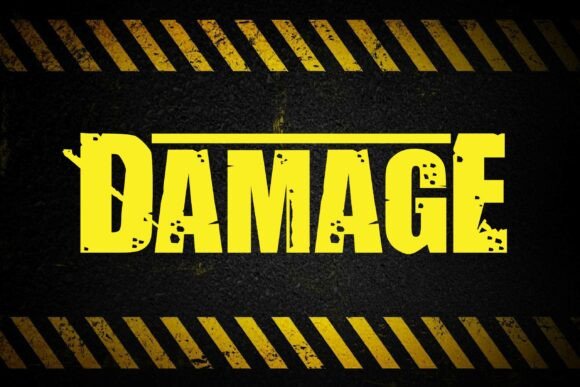
You’ve seen it a thousand times: a movie poster where the title practically screams off the paper, a video game logo that feels carved from stone, or a band’s merchandise that looks like it’s been through a glorious, rebellious fight. That raw, textured, larger-than-life energy often comes from a specific kind of typeface—a display font that doesn’t just spell words but embodies an attitude. This is the world where Damage lives. It’s a decorative typeface designed for impact, built with a grunge-inspired aesthetic that feels both intentional and artfully distressed. If you’re looking for a font that brings rugged personality to your headlines, logos, and designs, this might be the missing piece in your creative toolkit.
More Than Just a Rough Edge
At first glance, a font like Damage might seem niche. Its strength lies in its bold display quality and distinctive grunge texture, which immediately sets it apart from clean, minimalist sans-serif fonts or elegant serifs. But dismissing it as “just a grunge font” would miss the point. This is a typeface with character. Each of its 96 glyphs and 95 characters is crafted to maintain visual coherence while delivering that expressive, worn-in feel. It’s not randomly scratched; it’s designed. This balance is crucial. You get the visual punch of a distressed style without sacrificing the legibility needed for a logo or a key headline.
Think about the projects where a touch of authenticity or edge is needed. For a craft brewery, a vintage motorcycle shop, or an indie rock festival, a typeface like Damage can instantly communicate brand identity. It says, “We’re hands-on. We’re real. We have a story with some texture.” For a children’s cartoon title or a fantasy game, it can evoke a sense of adventure, mystery, or playful ruggedness. It’s a tool for emotional communication through typography.
Putting Damage to Work: Practical Applications
The real test of any design asset is how it performs in the wild. Here’s where a powerful display font like this can shine across various projects:
- Branding & Logo Design: Use Damage for the wordmark of a brand that targets an audience valuing authenticity, adventure, or a retro vibe. It works exceptionally well for logos that need to be scaled up on signage or down on a business card, as its strong forms hold up. Pair it with a clean, simple sans-serif for body text to create a balanced and professional brand identity.
- Packaging & Merchandise: On product packaging—for hot sauces, artisanal coffee, or outdoor gear—this font can grab attention on a crowded shelf. On T-shirts, hats, and posters, its edgy texture is practically built for merchandise that people want to wear and display.
- Editorial & Digital Layouts: Magazine covers, blog headers, and social media graphics benefit immensely from a strong headline font. Damage can make a tutorial title pop on YouTube or give a podcast cover art that immediate “listen to me” quality. It’s a fantastic tool for creating a visual hierarchy where the main message is unmissable.
- Marketing & Events: Think event posters, festival banners, or social media ads for a new action movie or video game launch. The font’s personality does half the marketing work, setting the tone and building anticipation before a single word of copy is read.
A Designer’s Guide to Using Display Fonts Wisely
Adding a bold, stylized font to your library is exciting, but using it effectively requires some strategy. Here’s some practical advice for integrating a typeface like Damage into your workflow:
Context is Everything. Match the font’s personality to your project’s goal. Damage is perfect for a poster for a metal concert or the title screen of an indie game. It’s probably not the right choice for a law firm’s annual report or a pediatrician’s website. Understanding your audience and the message you need to convey is the first step in choosing the right font style.
Master the Pairing. A display font demands a partner. The most common and effective pairing is with a neutral, highly readable sans-serif or serif font. Let Damage handle the 10% of your design that needs maximum impact—like the headline, logo, or a key call-to-action—and use a font like Open Sans, Lora, or Roboto for the remaining 90% of your text. This creates visual consistency and ensures your design is both striking and readable.
Test for Readability. Always test your chosen font at the actual size it will be used. A font that looks incredible at 72pt on your screen might become an unreadable smudge at 14pt on a mobile banner. Damage’s design considers this, but it’s your job as the designer to run those tests. Check its legibility against different backgrounds and in various color combinations.
Consider the Commercial License. If you’re using the font for client work, merchandise for sale, or any commercial project, you must ensure you have the proper license. Most premium fonts, including quality display fonts like this one, come with clear licensing terms. Respecting these terms is part of professional practice and protects both you and your client.
Finding the Right Tool for the Job
In a world saturated with design assets, finding a font that offers both strong visual character and practical utility is a win. Damage positions itself as a creative font for designers who need to make a statement. It’s not trying to be a workhorse for body copy; it’s a specialist, a headline-grabber, a mood-setter. Its value lies in its ability to inject a specific, powerful vibe into a project with just a few keystrokes.
When you’re building a brand identity or a marketing campaign, the typography you choose is a silent ambassador. It tells part of the story. For projects that need to convey strength, authenticity, or a touch of artistic rebellion, having a tool like this in your font library gives you the creative flexibility to respond to that brief confidently. It’s about having the right asset ready when the right project comes along, allowing you to focus on the bigger picture of your design and message.