Lucy: The Cyber-Industrial Typeface for a Digital Edge
There's a moment in a design project when you need a typeface that doesn't just speak—it shouts with a specific, electrified energy. You're crafting a brand for an independent music label, designing a title screen for a futuristic game, or creating a social media header for a tech-wear startup. The visual language needs to feel sharp, rhythmic, and unmistakably modern. This is the exact space where a display font like Lucy finds its purpose, offering a potent tool for designers and creators aiming to break the digital mold.
Anatomy of a Digital Glitch
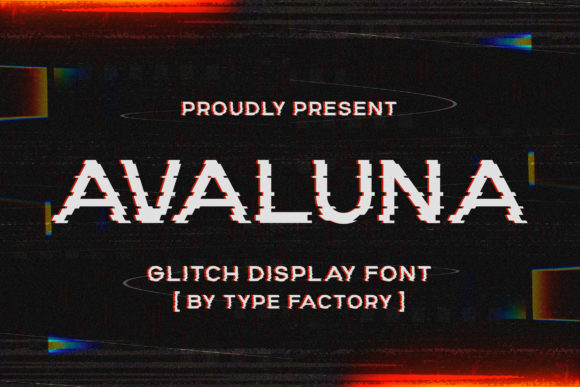
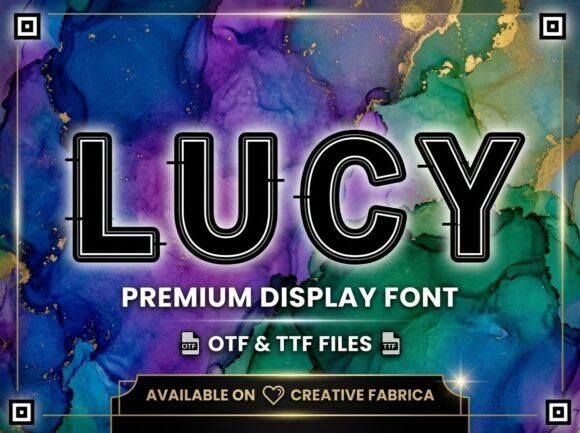
Lucy isn't your everyday sans-serif. Its personality is built on a foundation of heavy, bold letterforms, but the magic lies in the details. Imagine crisp, white inlines cutting through each stem, creating a stark, mechanical contrast. Now, layer that with sharp horizontal glitch distortions that slice across the characters. This isn't random noise; it's a controlled, rhythmic digital interference that gives the typeface its "cyber-industrial-and-edgy" soul. It feels like a signal from a near-future metropolis—powerful, slightly corrupted, and utterly compelling. For projects rooted in the cyberpunk aesthetic, this visual texture does half the work for you, instantly communicating a specific mood and era.
Where This Typeface Truly Shines
Understanding a font's character is one thing; knowing where to deploy it is another. Lucy's high-impact nature makes it a specialist, not a generalist. It’s designed to grab attention in environments saturated with visual information. Think of it as your secret weapon for key moments in a design system.
For Branding and Logo Design: A logo sets the entire tone for a brand. Using Lucy for a wordmark or a key logotype element can instantly position a company in the tech, music, or avant-garde apparel space. It’s particularly effective for brands that want to convey innovation, disruption, or a connection to digital subcultures. Pair it with a cleaner, more neutral sans-serif or even a subtle serif font for body text to create a balanced and readable brand identity.
In Digital and Social Media: On platforms like Instagram, YouTube, or Twitch, you have milliseconds to make an impression. Lucy excels as a headline font for event announcements, podcast covers, stream overlays, and profile banners. Its heavy weight and unique texture ensure your text stands out even when viewed quickly on a small screen. It translates a "cyberpunk-aesthetic" into tangible engagement.
For Packaging and Merchandise: Physical products need to tell a story at a glance. Imagine a matte black box for high-end headphones or a label for a limited-edition sneaker drop, both featuring Lucy on the packaging. The font's industrial feel suggests precision and cutting-edge design. On merchandise like T-shirts, hoodies, or posters, it becomes a central graphic element, not just typography.
Editorial and Web Design: While not for long paragraphs of body copy, Lucy can command attention in editorial layouts and on websites. Use it for chapter titles in a digital magazine, hero section headlines on a landing page, or as a stylized pull quote. Its sharp lines and digital distortions add a layer of visual interest that can break up conventional layouts and guide the reader's eye to important information.
Practical Guidance for Using a High-Impact Font
Working with a powerful display typeface requires a bit of strategy. Here’s how to integrate a font like Lucy effectively into your creative workflow.
Context is King: Always start with your project's goals and audience. Lucy’s personality is strong and specific. It will resonate powerfully with audiences who appreciate tech culture, electronic music, and futuristic design. For a traditional law firm or a organic baby food brand, it would likely be a mismatch. Let the project's voice guide your font choice.
Master the Pairing: The most critical advice for using a dominant display font is to pair it wisely. Lucy’s intricate details mean it should be reserved for headlines, titles, and short, impactful phrases. For any body text, subtitles, or detailed information, you need a complementary font. A clean, geometric sans-serif font (like Futura, Avenir, or even a simple Helvetica) can provide excellent readability and a modern feel without competing. You might also experiment with a monospace font to lean into the tech theme, or a very clean serif for a surprising, high-contrast editorial look.
Test for Readability: Always test your chosen typeface at the actual size it will be viewed. What looks bold and clear at poster size might become an unreadable blur as a small social media avatar. Check how the white inlines and glitch effects render on different screens and in print. Sometimes, for very small applications, you might need to use a simpler weight or style from the font family, if available.
Leverage the Full Toolkit: When you invest in a premium font, explore everything it includes. Does the Lucy typeface family offer multiple weights, from regular to ultra-bold? Are there alternate characters, ligatures, or stylistic sets? These options give you greater flexibility and allow you to fine-tune the typography for different contexts while maintaining a consistent visual thread.
Understand Your License: If you're using the font for a client project, merchandise for sale, or a widely distributed digital product, ensure you have the correct commercial license. Most reputable font foundries offer clear licensing tiers (desktop, web, app, ePub, server). This isn't just a legal formality; it's a professional practice that supports the type designers who create these essential tools.
Crafting a Cohesive Visual Language
Ultimately, a typeface like Lucy is more than just a collection of glyphs. It’s a design asset that helps build a cohesive and recognizable visual language. When used consistently across a brand’s touchpoints—from the website header to the merchandise tag—it becomes a powerful mnemonic device. Your audience starts to associate that sharp, glitchy aesthetic with your unique identity. This consistency builds brand recognition and professional presentation, signaling that every detail has been considered.
In a landscape crowded with generic visuals, choosing a typeface with a distinct point of view is a strategic move. It helps you connect with a specific audience, communicate your brand's ethos without a word, and create designs that feel genuinely contemporary. Lucy offers a key to unlock that cyber-industrial visual territory, providing the sharp, digital edge needed to make a lasting impression in the modern creative arena.