Breaking the Grid: A Designer's Guide to the Random Letters Font
There is a specific kind of visual tension that grabs a viewer by the collar and refuses to let go. It is the feeling of a ransom note, a hastily scribbled warning, or a punk rock zine from the late 70s. If you have ever tried to recreate this aesthetic using standard fonts, you know the struggle. Standard typography is built on consistency, but sometimes, consistency is the enemy of impact. This is exactly why the Random Letters font exists. It is a display typeface that rejects the rigid perfection of modern design in favor of a chaotic, hand-drawn energy that feels urgent and authentic.
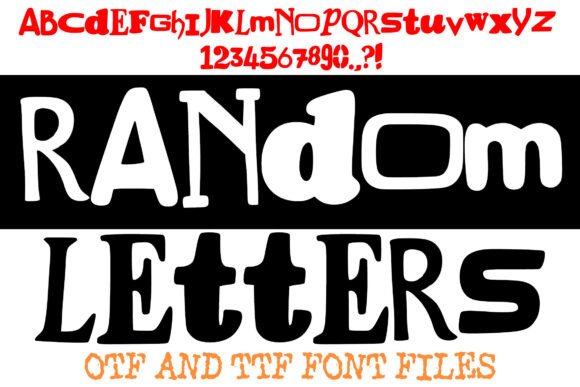
For designers, content creators, and small business owners, finding a font that captures a "do-it-yourself" ethos without looking unprofessional is a rare find. The Random Letters typeface bridges that gap. It mimics the look of notes assembled from cut-out paper, featuring irregular serifs, playful sans-serif curves, and inconsistent baselines. It is not just a collection of characters; it is a design asset that injects personality into any project. Whether you are working on album art, a video game title, or a rebellious brand identity, this font provides the raw, gritty texture that commands attention.
Understanding the Visual Language of Chaos
What makes a font like Random Letters so visually appealing? It comes down to the psychology of imperfection. In a digital landscape saturated with clean lines, minimalist sans-serifs, and predictable scripts, a chaotic display font feels human. It suggests that a real person assembled it, perhaps with scissors and glue, rather than a computer algorithm.
The visual characteristics of this typeface are distinct. Because no two characters quite match, the font avoids the monotony of standard digital text. The mix of uppercase and lowercase styles creates a rhythmic, yet unpredictable flow. The clear, thick outline is a crucial design feature, not just for aesthetics, but for utility. It ensures that the chaotic nature of the letters does not compromise legibility, even at a distance. This makes it an ideal candidate for projects where text needs to pop immediately, such as posters, signage, or large-scale packaging.
However, understanding the anatomy of this font is key to using it effectively. Because it features inconsistent baselines and varying weights, it functions strictly as a display font. Trying to write a paragraph of body text with Random Letters would be illegible and exhausting for the reader. Instead, think of this typeface as a headline artist. Its job is to set the stage, establish the mood, and then step aside for cleaner fonts to handle the details.
Strategic Applications for Branding and Marketing
For entrepreneurs and brand strategists, typography is the voice of your visual identity. Choosing the Random Letters font is a deliberate choice to sound loud, energetic, and unapologetic. This makes it a powerful tool for specific niches within branding and marketing.
Album Art and Event Posters
The music industry, particularly genres like punk, indie rock, and garage, thrives on raw energy. The Random Letters font is perfect for album covers or gig posters. It conveys the sound of the music before the listener even presses play. If you are designing for a local band or a music festival, this typeface immediately sets a rebellious, high-energy tone. It pairs exceptionally well with grainy photography or textured backgrounds, enhancing the gritty aesthetic.
Video Game Titles and Esports
In the world of gaming, immersion is everything. For horror games, survival genres, or retro arcade styles, a font that looks hand-assembled adds a layer of authenticity. It suggests a world that is slightly off-kilter or dangerous. The thick outline of the letters also ensures that titles remain readable on dynamic loading screens or promotional banners.
Protest and Advocacy Materials
There is a historical precedent for using cut-out letters in protest—it signifies urgency and a grassroots movement. If you are designing for a non-profit, a social cause, or a community rally, Random Letters captures that spirit of immediate action. It looks like it was made in a rush to get the message out, which can be a powerful psychological trigger for engagement.
Practical Design: Pairing and Readability
One of the most common mistakes in design is using a display font for everything. While the Random Letters font is captivating, it requires a supporting cast to be effective. This is where the art of font pairing becomes essential.
Because Random Letters is so textured and irregular, it demands a clean, neutral partner. You want to create contrast, not competition. Consider pairing it with a simple, geometric sans serif font like Roboto, Open Sans, or Montserrat. These fonts are unobtrusive and highly legible, allowing the chaotic headlines to shine without overwhelming the viewer.
Avoid pairing Random Letters with other decorative fonts, such as elaborate script fonts or ornate serif fonts. The result would be visual noise, making the design impossible to read. The rule of thumb here is: Random Letters for the headline, a clean sans-serif for the sub-headline and body copy. This hierarchy guides the eye naturally from the loud, attention-grabbing title to the informative content beneath it.
DIY, Crafts, and Physical Production
Beyond digital screens, the Random Letters font shines in the physical world, particularly for the crafting community. If you own a Cricut or Silhouette machine, you know that not all fonts cut well. Thin, wispy serifs can tear, and overly complex paths can cause the blade to snag.
The Random Letters typeface is engineered with a clear, thick outline, making it an excellent choice for vinyl cutting. This structural integrity ensures clean cuts every time, whether you are creating stickers, heat transfers for t-shirts, or wall decals. For small business owners selling merchandise on platforms like Etsy, this font allows you to create products that look hand-crafted and unique, yet are produced with industrial precision.
Consider using this font for:
- Custom Invitations: Perfect for themed parties, Halloween events, or "secret agent" birthday invites where the ransom note aesthetic fits the theme.
- Packaging Design: For artisanal products like hot sauce, craft beer, or streetwear, this font communicates a bold, small-batch quality.
- Editorial Layouts: Use it in magazines or zines for pull quotes or section headers to break up the monotony of standard columns.
Technical Considerations and File Formats
When investing in a premium font, you need to know exactly what you are getting to ensure it fits your workflow. The Random Letters download package is designed for versatility, including both OTF (OpenType Font) and TTF (TrueType Font) files.
Most modern design software, such as Adobe Illustrator, Photoshop, or Canva, prefers OTF files because they offer more advanced typographic features. However, TTF files are universally compatible and are often preferred by older software or specific cutting machine programs. Having both formats ensures that you can move seamlessly between digital design and physical production.
It is also important to note the specific character set included. The font features capital letters, numbers, and essential punctuation (. , ? !). This configuration is ideal for headlines, titles, and short bursts of text. However, because it relies on uppercase styles to maintain its visual weight, it is not intended for writing long-form lowercase sentences. Understanding this limitation allows you to plan your copy accordingly—keep your headlines punchy and short.
Final Thoughts on Creative Rule-Breaking
Typography is the bridge between what you say and how you are perceived. While professional design often emphasizes order and alignment, there are times when you need to break the grid to be heard. The Random Letters font is more than just a collection of shapes; it is a tool for visual rebellion. It allows designers to tap into the aesthetic of the unexpected, the handmade, and the urgent.
By incorporating this typeface into your toolkit, you gain the ability to instantly alter the mood of a project. Whether you are a brand strategist looking to disrupt a conservative market, a crafter looking for the perfect vinyl-cut text, or a designer working on a gritty poster, this font delivers a distinct personality that polished, standard fonts simply cannot replicate. Let your creativity break the rules and see where the chaos leads.